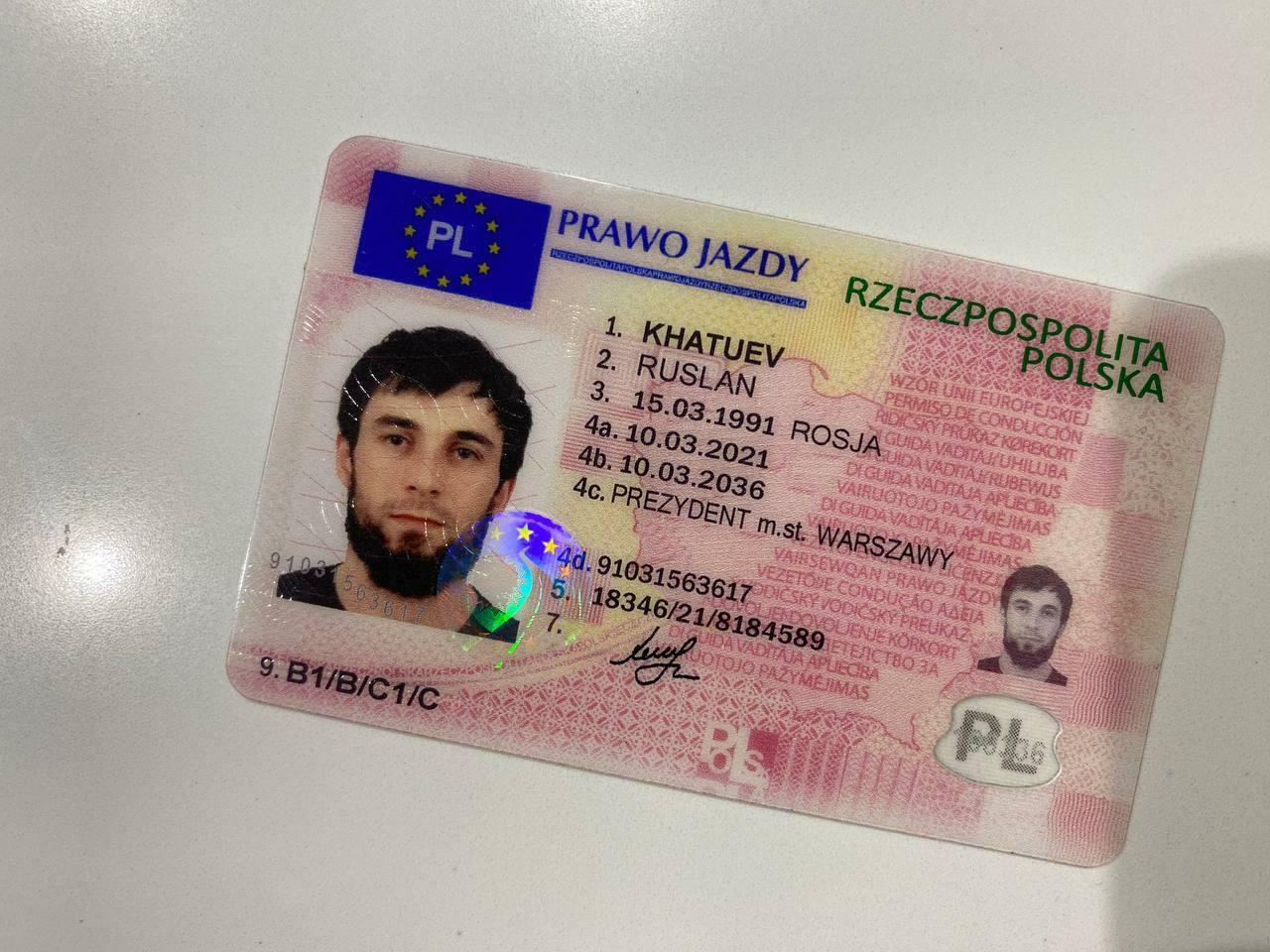
Step By Step Driving License Tips From The Best In The Industry
A Comprehensive Guide to Obtaining Your Driver's License: A Step-by-Step Approach
Obtaining a chauffeur's license is a substantial milestone for numerous people, marking a newfound level of independence and duty. While the particular guidelines and procedures might vary from one jurisdiction to another, the basic actions for obtaining a driving license normally remain constant. This article intends to provide a comprehensive, detailed guide to browsing the procedure of obtaining a driver's license, in addition to some frequently asked concerns to assist applicants on their journey.
Step 1: Understand the Requirements
Before diving into the process, it is essential to familiarize oneself with the requirements for acquiring a driver's license in your area. Usually, the following criteria apply:
- Age: Most jurisdictions require candidates to be at least 16 years old to look for a learner's authorization, while complete chauffeur's licenses are typically provided to those 18 and older.
- Identification: Applicants must offer legitimate recognition, such as a birth certificate, Social Security card, or passport, together with evidence of residency.
- Fees: Be ready to pay needed fees for the application, screening, and issuance of the license.
Action 2: Study for the Written Exam
Before taking to the road, prospective motorists need to pass a composed understanding test. This exam assesses your understanding of traffic laws, roadway indications, and driving safety. To prepare:
- Obtain the Driver's Handbook: Most automobile departments (MVD) publish a handbook that contains essential details needed for the exam.
- Take Practice Tests: Many online platforms use practice tests that mirror the real test, assisting applicants recognize locations that need more study.
- Review Road Signs: Familiarize yourself with all appropriate road signs, signals, and their significances, as these are typically included in the examination.
Action 3: Apply for a Learner's Permit
Once you're confident in your understanding of driving guidelines, it's time to obtain a learner's permit. This allows you to practice driving under particular conditions. The process normally involves:
- Completing an Application: Visit your local MVD site to download or submit an application.
- In-person Appointment: Schedule an appointment, if necessary, at your local MVD. Bring all required documentation and costs.
- Vision Test: Be ready to take a vision screening to ensure you can see well enough to drive safely.
Upon successfully finishing these actions, you'll receive a learner's permit enabling you to practice driving.
Step 4: Gain Practical Experience
With a student's permit in hand, prospective drivers must practice as much as possible. Most jurisdictions need a particular number of monitored driving hours. Think about the following suggestions:
- Practice with a Qualified Supervisor: Always practice with an accountable adult who has a legitimate chauffeur's license. They can offer guidance and feedback.
- Diversify Driving Conditions: Ensure that your practice includes various conditions and environments, such as night driving, highways, and adverse weather.
- Track your Progress: Keeping a log of your practice sessions can be useful, especially if your state needs evidence of practice hours.
Step 5: Schedule the Driving Test
After logging the necessary practice hours and sensation confident in your driving skills, it's time to schedule your road test. The actions frequently include:
- Book an Appointment: Visit your local MVD to arrange your driving test. Be sure to look for any charges associated with the test.
- Prepare Your Vehicle: Ensure the car you use for the test fulfills all safety guidelines and is equipped with operating lights, brakes, and safety belt.
- Evaluation Test Requirements: Familiarize yourself with the specific skills that will be examined throughout the test, which usually consist of parallel parking, lane changes, and complying with traffic signals.
Action 6: Take the Driving Test
On the day of the driving test:
- Arrive Early: Arriving at least 15 minutes before your set up consultation can assist minimize stress and anxiety and allow time for any last-minute preparations.
- Bring Necessary Documents: Don't forget to bring your learner's license, recognition, and any other needed files.
- Stay Calm and Focused: During the test, stay composed and focused on your driving. Follow the examiner's guidelines thoroughly, and remember to check mirrors and signal your objectives.
Action 7: Obtain Your Full Driver's License
Once you pass your driving test, you will be released a temporary license until your authorities one is sent by mail to you. The next actions might consist of:
- Understand Restrictions: Be mindful of any restrictions that may apply to your brand-new license, such as a probationary duration during which certain limitations are imposed.
- Continue Safe Driving Practices: Engage in safe driving practices and consider enrolling in a protective driving course to continue enhancing your skills.
Regularly Asked Questions (FAQs)
Q1: Can I get a driver's license if I have a medical condition?
Many jurisdictions permit people with medical conditions to use but might need a medical professional's clearance or additional screening. Always examine local regulations for particular details.
Q2: How long does it normally take to get a motorist's license after passing the test?
This varies by jurisdiction, but many people get a short-term license right away, with the official license sent by mail within a few weeks.
Q3: What if I fail the driving test?
You can normally retake the driving test after a waiting duration, which varies by state. Utilize prawo jazdy za opłatą Karta Xpress Poland to practice more and deal with the locations where you had a hard time throughout the initial test.
Q4: Are there different kinds of motorist's licenses?
Yes, there are a number of types based upon vehicle category, including basic, commercial, and bike licenses, each having distinct requirements.
Q5: Can I utilize my student's license to drive alone?
No, a learner's license usually requires a certified adult in the lorry at all times. Examine local laws for specifics concerning your license.
Browsing the procedure of getting a motorist's license can be difficult, but with cautious planning and preparation, it can likewise be a rewarding experience. Following these actions can gear up prospective drivers with the knowledge and self-confidence required to conquer the roadway securely and responsibly. Eventually, obtaining a chauffeur's license has to do with more than simply the documents; it represents the start of a lifelong journey toward self-reliance and mobility.